
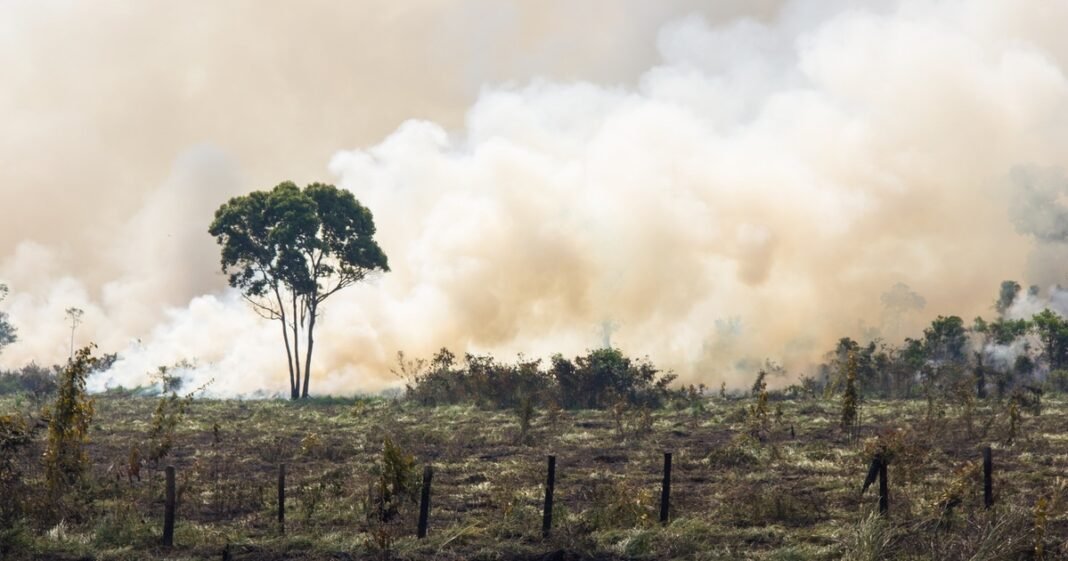
What are Carbon Credits?
Carbon credits are a type of tradable carbon credit. They are purchased from countries that have established carbon trading markets and programs. In return for the credits, countries pay an annual fee. These fees are called “leverage points”. They are included in the negotiations about how to keep Earth’s carbon dioxide levels from skyrocketing into severe problems such as runaway climate change.

Agricultural carbon credits are becoming vitally important in the efforts to reduce greenhouse gas emissions released into the atmosphere. Currently there are many established markets for carbon credits produced by agricultural and forestry organic management (farming and pastureland), as well as by climate change mitigation (plant pollen, plant life, soil fertility, etc.) The markets vary widely in terms of the quantity of carbon that is allowed to be stored in the soil, the impact on soil erosion and water quality, the impact on agricultural land management practices and pest control, and other considerations.
Carbon Footprint
By planting and farming traditional, sustainable agriculture, farmers can demonstrate to buyers that they are doing their part to “green the globe”. These practices will be credited as an “agriculture carbon footprint“, according to the World Wildlife Fund. When purchasing carbon credits, it is important to understand exactly what these practices mean. For example, if the carbon footprint represents the amount of greenhouse gases released from the activities of an individual farm or ranch, the individual owner or rancher will not be responsible for the emissions from all his or her activities. The buyer will only be responsible for her or his direct involvement in the “production” of greenhouse gases.
The United States produces approximately one fifth of the world’s total agricultural carbon credits. These credits are usually purchased in “bulk” to keep the prices low. One fifth of the world’s greenhouse gas emissions comes from the agricultural sector in the United States, according to the USDA. For this reason, buying and trading agricultural carbon credits can be a great way to contribute your own part to a healthy environment and strengthen your personal ties to America’s vital agricultural base.
One of the things that most buyers like about purchasing Agriculture Carbon Credits is that they help to reduce the harmful effects that global warming has on our soils. Global warming is one of the most serious environmental crises facing humanity today. As the earth’s temperatures rise, the frequency and severity of natural disasters will increase. Agricultural Carbon Credits allows farmers to offset some of the cost of rising temperatures by reducing their use of chemicals on their farms. These purchases also allow farmers to improve their soils, which will improve the overall health of both crop production and soil.
Reducing Agriculture Emissions
Another way that Agriculture Carbon Credits plays a role in reducing emissions is through the reduction of the amount of fertilizer that is used on a farm. Many farmers use huge amounts of fertilizer on their crops, and these emissions aren’t considered to be environmentally responsible. A carbon credit will reduce the amount of fertilizer that you need to make on your farm. These credits can be purchased for either residential or non-residential properties, so you can buy them to offset not only your personal carbon emissions but those of your neighbors too! This is a fantastic way to both help your local economy and improve the world we live in.
How You Can Help?
When it comes to combating climate change, it is important for every individual person to do his or her part. By purchasing a portion of your agricultural Carbon Credits, you are doing your part to reduce the amount of greenhouse gases being emitted into our atmosphere. You’ll also be doing your part to save the planet from further environmental devastation. With the average American consuming more than nine pounds of carbon dioxide per person per year, every bit of help we can give to the environment is important.
If you want to get involved and help the environment, consider purchasing some carbon credits. Not only is this an economic opportunity for you, it is an opportunity for you and your fellow farmers to start helping protect the environment. In fact, many farmers have begun to plant trees, using the carbon credits as their means of offsetting the cost of the planting.