
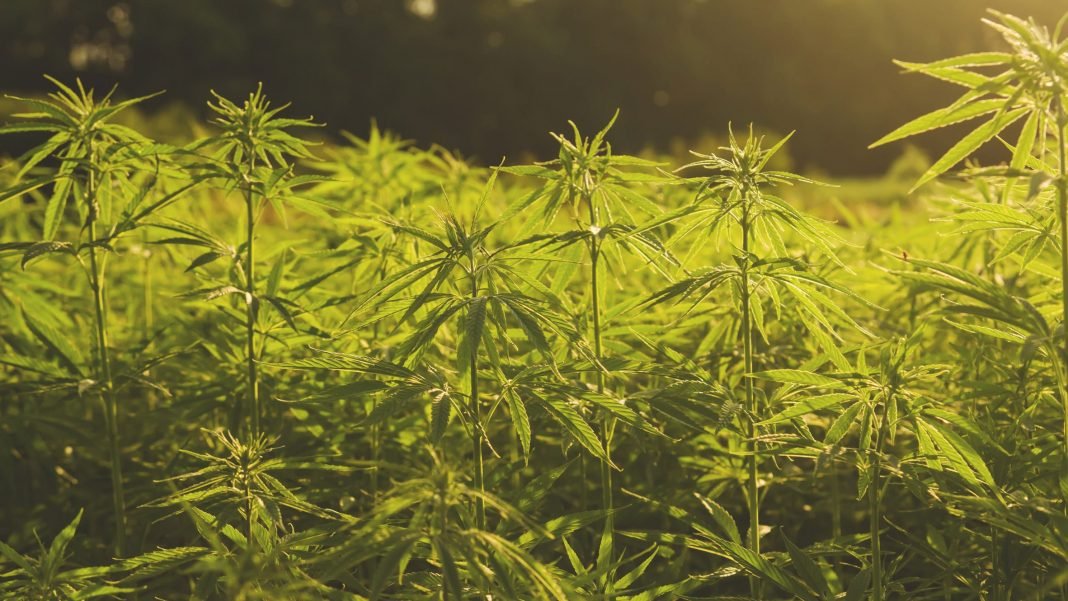
Turning Sustainable Agriculture into New Revenue Streams
Canada’s hemp industry is uniquely positioned to benefit from the rapidly growing carbon market. As demand for carbon credits in Canada increases, hemp farmers and processors have a strong opportunity to generate additional income while contributing to climate solutions.
This guide explains how carbon credits work, why hemp is valuable in carbon markets, and how Canadian producers can participate.
What Are Carbon Credits
Carbon credits represent the removal or reduction of greenhouse gas emissions. One carbon credit equals one tonne of CO₂ removed or avoided.
Businesses and individuals purchase these credits to offset their emissions, creating a market for climate positive activities.
Learn more about Canada’s carbon pricing framework:
https://www.canada.ca/en/environment-climate-change/services/climate-change/pricing-pollution-how-it-will-work.html
Explore leading global carbon standards:
Gold Standard: https://www.goldstandard.org
Verra (VCS): https://verra.org
Why Hemp Is Ideal for Carbon Credits
Hemp is one of the most promising crops for carbon sequestration due to its rapid growth and environmental benefits.
Key advantages include:
High CO₂ absorption. Hemp captures significant carbon during its short growing cycle
Deep root systems. Improves soil carbon storage and structure
Low input farming. Requires fewer pesticides and fertilizers
Soil regeneration. Enhances long term land productivity
Learn more about sustainable agriculture in Canada:
https://agriculture.canada.ca/en/agriculture-and-environment/climate-change-and-agriculture
How Canadian Hemp Farmers Can Generate Carbon Credits
There are several pathways for hemp producers to participate in the carbon market.
Soil Carbon Sequestration Projects
Farmers can earn credits by increasing soil organic carbon through practices such as reduced tillage and cover cropping.
Alberta producers can explore protocols under:
https://www.alberta.ca/carbon-offset-system.aspx
Biomass and Carbon Removal Credits
Hemp biomass can be used for long term carbon storage through biochar or durable industrial products.
These projects may qualify under voluntary carbon standards such as:
https://verra.org
https://www.goldstandard.org
Sustainable Processing and Supply Chains
Processors can generate credits by reducing emissions in production, using renewable energy, and improving operational efficiency.
This creates opportunities for carbon neutral or climate positive hemp products that appeal to ESG focused buyers.
Carbon Credit Pricing in Canada
Carbon credit prices vary depending on certification, project type, and verification quality.
Typical voluntary market pricing ranges from $15 to over $50 per tonne, with premium projects achieving higher values.
For federal carbon pricing details and benchmarks:
https://www.canada.ca/en/environment-climate-change/services/climate-change/pricing-pollution-how-it-will-work.html
Challenges to Consider
While the opportunity is strong, hemp producers should consider:
Verification and audit costs
Data tracking and reporting requirements
Longer project timelines
Market complexity and pricing variability
Working with a platform or aggregator can simplify participation and improve access to buyers.
The Opportunity for Alberta Hemp Producers
Alberta is emerging as a leader in hemp production and sustainable agriculture.
With strong infrastructure and increasing interest in climate solutions, producers in regions such as Barrhead and Lac Ste. Anne can:
Monetize sustainable farming practices
Attract ESG aligned buyers
Develop premium climate aligned hemp products
Differentiate in both domestic and global markets
How AgoraCarbon Supports Hemp Producers
AgoraCarbon helps connect agriculture with carbon markets by:
Connecting farmers to verified carbon credit buyers
Providing transparent pricing and access to markets
Supporting sustainability project development
Enabling direct participation in carbon offset programs
This allows hemp farmers and processors to turn environmental impact into measurable revenue.
Final Thoughts
The intersection of hemp farming and carbon credits in Canada represents a significant opportunity for growth and sustainability.
By adopting regenerative practices and participating in carbon markets, Canadian hemp producers can increase profitability, strengthen environmental impact, and position themselves at the forefront of climate innovation.