
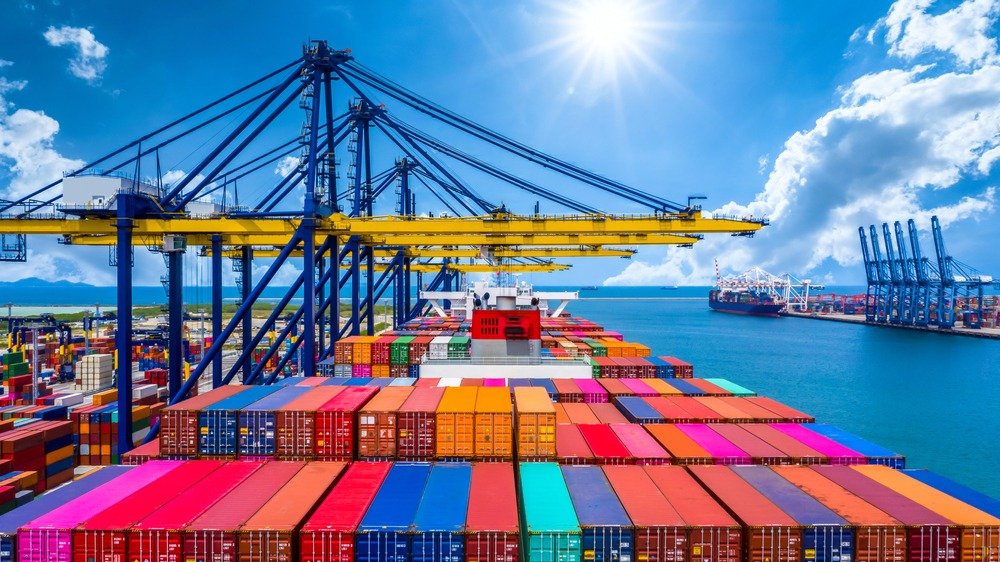
Some of the world’s largest retailers and food producers (including Amazon, Ikea, Inditex and Unilever) are pledging to make their maritime shipping entirely emission-free by 2040.
Key actors
Nine companies have united in the ‘Cargo Owners for Zero Emission Vessels’, using their collective influence to push logistics companies towards carbon-free transport. They also want to collaborate to explore innovation opportunities and make carbon-free transport affordable through their economies of scale. No individual cargo owner has enough influence in the market on its own to enforce change, they argue.
“Maritime shipping, like all sectors of the global economy, needs to decarbonize rapidly if we are to solve the climate crisis, and multinational companies will be key actors in catalyzing a clean energy transition in shipping. We applaud the coZEV 2040 Ambition Statement signatories for their leadership, and we urge other cargo owners, value chain actors, and governments to join forces with us”, said president Dan Porterfield from the Aspen Institute and coZEV’s initiator in a press release.
As many emissions as Japan
“By collaborating with like-minded partners, companies, and organizations across the value chain, we can create strong movements”, IKEA says. “It’s an important stepping-stone to manifest the commitment to decarbonize ocean shipping. With this ambition statement, we want to demonstrate the determination to reach set targets and instil confidence amongst all stakeholders across the ocean shipping industry on the direction of our common decarbonizing journey ahead.”
The problem the nine companies are trying to address is indeed immense. Container ships emit a billion tonnes of carbon dioxide annually, about as much as Germany and the whole of the United Kingdom combined. If container ships were a separate state, they would rank fifth worldwide (alongside Japan) as the biggest carbon emitters.
However, the Aspen Institute is very optimistic about its chances of success: “In the short term, the sector can reduce its emissions by 50 per cent by navigating more slowly and using wind power.” Nevertheless, the initiator warns that “Given the long lifespan of maritime cargo vessels, the transition to emission-free transport does need to start immediately to meet the target by 2050.”