
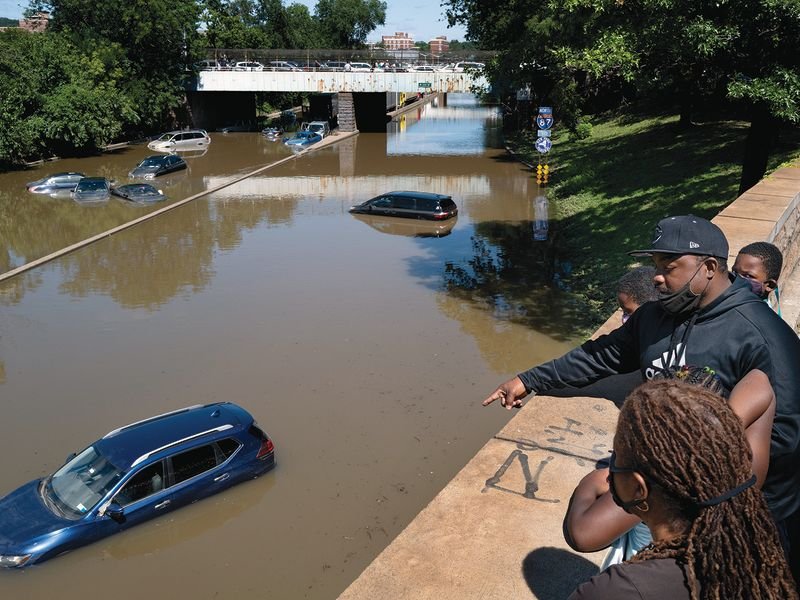
In the wake of the flooding and deaths brought about by Hurricane Ida last month, it’s time for the mayor to push hard to develop–and implement–a serious plan to combat the threat that climate change poses to the city’s economy and its residents.
That plan must prioritize the needs of New York City’s most vulnerable neighborhoods, many of which are inhabited by low-income residents. Many of these residents live in affordable housing in need of upgrades–elevated boilers, backup generators and better electrical systems–to withstand extreme weather events.
As reporter Brian Pascus writes, climate change poses a serious risk for the New York economy. Dwindling shorelines, extreme heat and catastrophic superstorms all threaten to reduce the supply of affordable housing, forcing some workers to abandon the city.
That, in turn, would leave restaurants, hospitals, tourist venues and countless other employers left to deal with a workforce shortage.
It’s estimated that more than 1 million people live in flood plains across the city, and that figure is expected to double as sea levels rise, according to our story. The New Yorkers most at risk are disproportionately people of color.
Weeks after Hurricane Ida, New York City Mayor Bill de Blasio released a report detailing how the city intends to prepare and respond to extreme weather. The administration also committed $2.7 billion in new funding to support climate resiliency and storm preparedness.
The City Council on Oct. 7 passed a bill that would require the mayor to develop a plan to address the climate by Sept. 30, 2022.
With de Blasio’s term ending soon, responsibility for the implementation of any plan will fall to his likely successor, Democratic candidate Eric Adams.
It’s important that the next mayor put preparing for climate change at the top of his agenda. Retrofitting existing affordable housing to withstand extreme weather and creating new affordable housing outside of flood plains should be central to any plan.
To be sure, much is being done on a piecemeal basis.
In its sustainability agenda, released last month, the New York City Housing Authority, the city’s largest provider of low-income housing, acknowledged climate change as a real and present danger to its portfolio of buildings.
The agency estimates that 54,000 residents live in some 250 buildings that are in the 100-year flood plain. By 2050, that number is expected to double, to 106,000 residents in 530 buildings.
“NYCHA cannot wait until the next superstorm, or other climate disaster, to start planning,” according to the report.
Not a subscriber? Sign up today for $1 down.
In April de Blasio announced the groundbreaking of the East Side Coastal Resiliency project, a nearly $1.5 billion initiative to build flood protections along a stretch of land home to 28,000 public housing residents, including Gouverneur Gardens on the Lower East Side.
But it is time for leaders in the city, state and federal governments to work together to develop a comprehensive plan to protect the city and its residents. The development and implementation of any plan should also include private enterprise. We all have a significant stake in getting this right.